Top 10 Atheist Talking Points Debunked
 Spend enough time in the comment section of any Christian post on social media and you’ll quickly notice a pattern. Within minutes, the atheists arrive ready for battle. Not a physical battle, but a spiritual one. One by one they hurl what they believe are devastating objections to Christianity, like invisible spears aimed at God’s Word.
These objections appear again and again, repeated thousands upon thousands of times. Claims that science disproves God, that the Bible is just an ancient book, that Jesus never existed, or that there is no evidence for Christianity are so common that many people simply assume they must be true.
What’s interesting is that many of these objections are not even original. They often repeat one another, borrow from one another, or depend on the same underlying assumptions about God, miracles, truth, and the reliability of Scripture.
But no matter how many times an objection is repeated, repetition does not make it true.
Many of these arguments have been around for generations. While they are often presented as devastating challenges to Christianity, they frequently fall apart under closer examination.
Let’s look at ten of the most common atheist objections and see whether they really stand up to scrutiny:
 1. “Science Disproves God”
This is perhaps the most common claim made against Christianity today, but it misunderstands what science actually does. Science is a method for studying the natural world through observation, experimentation, and testing. God, by definition, is not part of the natural world. He is the Creator of it. Science can tell us how chemical reactions work, how planets move, and how cells function, but it cannot determine whether a Creator exists behind the universe. Ironically, many of the pioneers of modern science such as Johannes Kepler, Isaac Newton, Robert Boyle, and Blaise Pascal believed they were discovering the handiwork of God. This is not about whether science disproved God. It’s about whether the evidence points to a universe that arose through blind chance or one that reflects intelligence, design, and purpose.
2. “Evolution Explains Life Without a Creator”
Even if evolution could explain how living things changed over time, it would not explain how life originated in the first place. Evolution begins with living organisms already in existence. It does not explain the origin of DNA, the information encoded within it, or the complex molecular machinery required for life to function. Information does not write itself. Codes do not create themselves. The question of origins remains. The existence of a process does not eliminate the need for a Designer any more than explaining how a car engine works eliminates the need for an engineer.
3. “The Bible Is Just an Ancient Book”
The Bible is ancient. So are the writings of Plato, Aristotle, Tacitus, and countless other historical works that people trust every day. Age does not determine truth. The Bible is unique because it is not a single book but a collection of 66 books written by more than 40 authors across roughly 1,500 years. Despite that, it presents a consistent message about God, humanity, sin, and redemption. It contains detailed historical information, fulfilled prophecy, and has repeatedly been confirmed by archaeological discoveries. Calling it “just an ancient book” dismisses its claims without actually addressing them.
 4. “Jesus Never Existed”
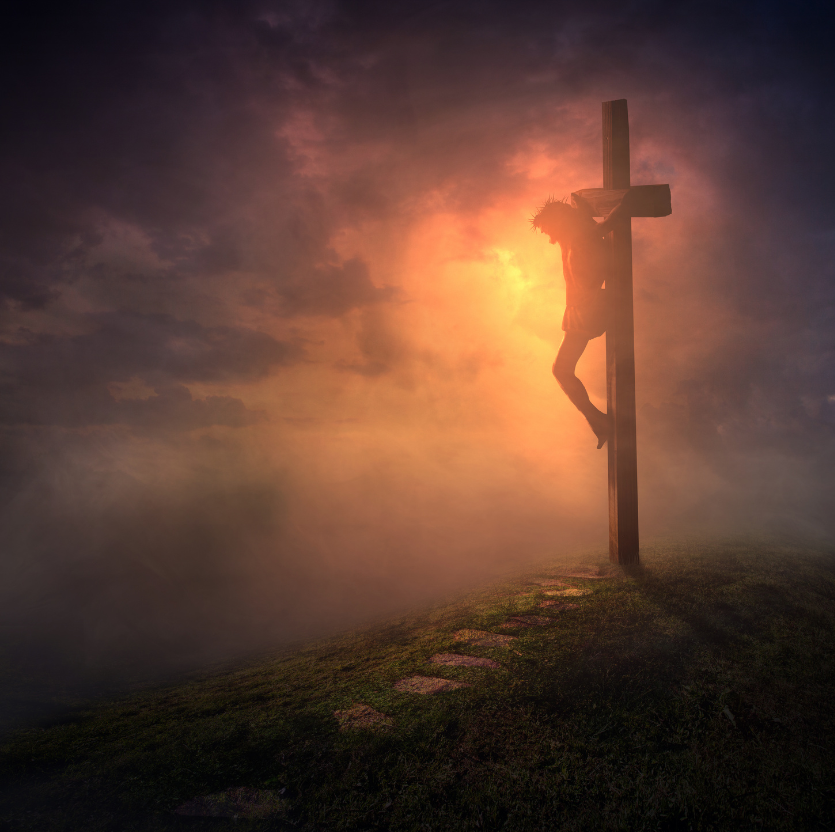
This claim is popular on social media but is rejected by the overwhelming majority of historians, including many who are not Christians. Jesus is mentioned not only in the New Testament but also by ancient writers such as Josephus, Tacitus, Pliny the Younger, and Suetonius. Historians debate many things about Jesus, but His existence is not one of them. The real question is not whether Jesus existed. The question is whether He was Who? He claimed to be and whether the evidence supports His Resurrection from the dead. More than 500 eyewitnesses saw Jesus after He rose, and many of them were alive when the Gospels were written.
5. “There Is No Evidence for God”
Evidence is only useful if we are willing to follow it where it leads. The universe displays remarkable fine-tuning. Life contains staggering amounts of coded information. Human beings possess consciousness, rational thought, creativity, and a sense of morality. The laws of nature themselves require explanation. None of these things automatically prove Christianity, but they are certainly evidence that deserves consideration. The debate is not over whether evidence exists. The debate is over what best explains the evidence we see.
6. “Faith Is Blind”
Biblical faith is not believing without evidence. It is trusting based upon evidence. We exercise faith every day. We trust pilots to fly airplanes, doctors to perform surgeries, and bridges to support our weight because we have reasons to trust them. Christianity is no different. The Bible repeatedly points to eyewitness testimony, fulfilled prophecy, historical events, and observable evidence as reasons for belief. Christian faith is not a leap into darkness. It is confidence based on what God has revealed.
 7. “The Bible Contradicts Itself”
Most alleged contradictions disappear when the context is examined. Different eyewitnesses naturally emphasize different details. Different authors write with different purposes and audiences in mind. This is exactly what we would expect from authentic historical accounts. If every biblical author reported events with identical wording and details, skeptics would likely accuse them of collusion. Instead, we find independent accounts that complement one another while telling the same overall story. After centuries of criticism, no supposed contradiction has successfully overturned the core message of Scripture.
8. “Christianity Copied Older Myths”
This claim often appears in discussions about the Flood, the Resurrection, or other biblical events. Similarity does not equal plagiarism. If a real global Flood occurred, we would expect flood stories to appear in cultures around the world. In fact, they do. Hundreds of flood traditions exist across multiple continents. Likewise, many of the alleged parallels between Christianity and pagan religions are exaggerated or entirely fabricated. The fact that other cultures preserved distorted memories of real events does not undermine Scripture. It supports it.
9. “You Don’t Need God To Be Moral”
The question is not whether atheists can behave morally. Of course they can. The question is how morality can be objectively grounded without God. If humanity is simply the result of unguided natural processes, then moral values ultimately become personal preferences or social conventions. One person’s morality becomes no more objectively valid than another’s. Yet most people recognize that some actions are truly wrong regardless of culture or opinion. Child abuse, genocide, and slavery are not merely unpopular. They are objectively evil. Christianity explains this by grounding morality in the unchanging Character of God.
 10. “If God Is Good, Why Is There Suffering?”
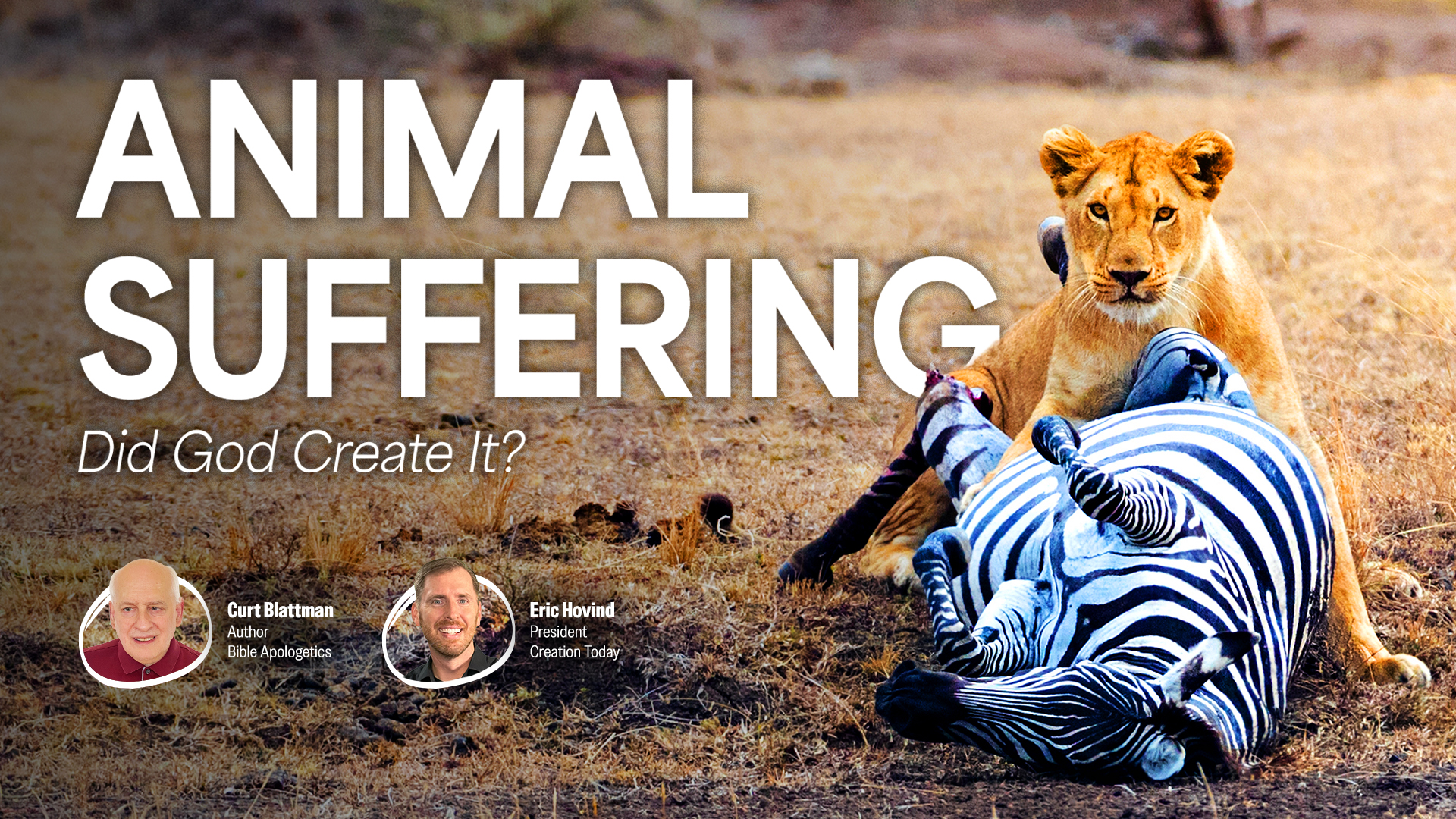
This is one of the most emotional and difficult questions anyone can ask. The Bible does not ignore suffering or pretend it is easy to understand. Christianity teaches that suffering entered the world because of sin and humanity’s rebellion against God. But Christianity is unique in teaching that God did not remain distant from our pain. In Jesus Christ, God entered history and experienced suffering firsthand. He was betrayed, mocked, beaten, and crucified. The Christian hope is not that suffering is an illusion. It is that suffering will one day end and that God can redeem even the darkest moments of our lives for His purposes.
In Conclusion
After examining these common objections, you see a pattern emerging. Many of these arguments are not really arguments against Christianity at all. They are assumptions about Christianity and are based on misconceptions and assumptions. They assume miracles are impossible or that God already does not exist. They assume the Bible is unreliable, and they assume natural explanations should be the default explanation.
But assumptions are not evidence.
Christianity has survived two thousand years of scrutiny because it is rooted in something far stronger than repeated slogans. It is rooted in history and solid evidence. Most importantly, it is rooted in the life, death, and Resurrection of Jesus Christ.
We hope this article helps the next time you encounter one of these objections online. Instead of being intimidated by a confident-sounding atheist’s comment, take a moment to examine the claim. Ask whether it is supported by evidence or simply built upon assumptions. Learn to distinguish between truth and speculation, between sound reasoning and faulty logic, between what God’s Word actually teaches and what critics often claim it teaches.
Questions are not the enemy of Christianity. Honest questions can lead us closer to the truth.