Systematic VS. Biblical Theology
 What if the biggest misunderstanding in Christianity today isn’t what the Bible says… but how we’re reading it? For generations, people have studied Scripture, but not always in the same way. Some start with topics and build systems, gathering verses into categories like angels, salvation, or creation. Others start at the beginning and follow the story as it unfolds. And where you start can change what you see. That was the heart of our recent conversation with Dr. Tim Chaffey, and it opened our eyes to the way we read and understand Scripture.
Most of us have been trained to think in terms of systematic theology. Give us all the verses on a topic and pull them together, then build a framework. That approach can be useful. It helps us see the full picture across the Bible. But there’s a danger. When we start with categories, we can end up forcing verses into boxes they were never meant to fit. We can pull statements out of context and interpret them through ideas we already carry. That’s where biblical theology steps in. Biblical theology asks a different question. Not “What does the whole Bible say about this topic?” but “What had God revealed at this point, and what should the original audience have understood?” It follows the story as it unfolds. It respects timing. It respects context. It refuses to read later knowledge back into earlier moments unless Scripture itself clearly does so.
 When you begin to read this way, things start to come alive. Take Genesis as an example. We often defend six literal days of creation using Hebrew grammar, the word “day,” evening and morning, and supporting passages like Exodus 20. Those are strong arguments. But biblical theology adds something even more powerful. The Israelites didn’t read Genesis in a vacuum. Before they ever heard “day one, day two, day three,” they had already been given a pattern directly from God. Six days of work. One day of rest. That was established in Exodus before Genesis was ever read to them. So when they heard the creation account, they weren’t wondering if the days were long ages. God had already defined the pattern for them. They didn’t reinterpret Genesis. They understood it exactly the way it was meant to be understood. That realization alone shifts the conversation.
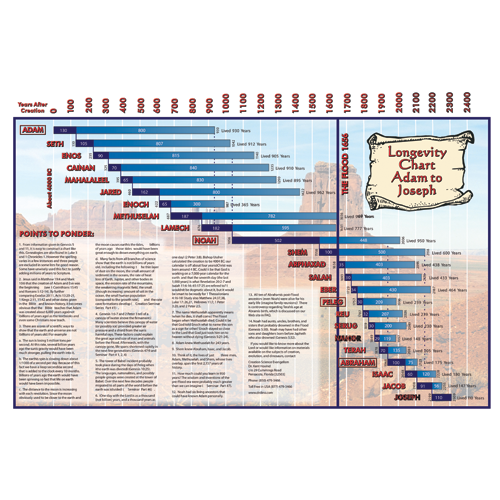 And it doesn’t stop there. Consider Genesis 6:3, where God says man’s days will be 120 years. Many have assumed this is a countdown to the Flood, that Noah had 120 years to warn people. But when you read the text as it unfolds, that idea isn’t actually stated. Instead, this comes right after a chapter listing lifespans of 900 years and more. The natural question is why people lived so long. Then suddenly God says man’s days will be 120 years. From there, lifespans begin to drop generation by generation until you reach Moses, who dies at exactly 120. Read in context, it flows as an explanation for human lifespan, not a countdown clock we’ve read into it later.
Or take one of the most debated moments in Genesis, what Ham did to Noah. At first glance, it sounds like he simply saw his father uncovered. But the passage repeatedly reminds us that Ham is the father of Canaan before describing the act, and then Canaan is the one who is cursed. When you trace how Scripture itself uses the phrase “father’s nakedness” later in the Law, it becomes clear it can refer to something far more serious involving the father’s wife. Suddenly the repeated mention of Canaan makes sense, the curse makes sense, and even the later conflicts with the Canaanites, Moabites, and Ammonites fall into place. What once seemed confusing becomes clear when Scripture is allowed to interpret itself within its own unfolding story.
 And then there’s one that really stops people in their tracks. For years, many of us have confidently pointed to Isaiah 14 as the place that describes Satan’s fall, even using the name “Lucifer” as if it were his original name. But when you slow down and read the passage in context, it’s clearly a judgment against the king of Babylon. The language about rising up, exalting oneself, and being cast down is tied directly to that king’s pride and downfall. Even more striking, the Old Testament itself says very little about Satan at that point in history. Without the New Testament, you wouldn’t automatically connect the serpent in Genesis to Satan, and you wouldn’t have a detailed narrative of his fall. What this shows is how easily later ideas, even familiar ones, can be read back into earlier texts. It doesn’t mean Satan didn’t fall. It means we need to be careful about where we say Scripture actually describes it.
Dr. Tim Chaffey led us through so many examples. Passages that once seemed confusing suddenly lock into place. Questions we didn’t even realize we had begun to answer themselves. So many of us have layered assumptions onto the text instead of letting the text speak for itself. And that’s the real issue. Are we letting Scripture define itself, or are we quietly redefining it through what we’ve been taught? Systematic theology is not the enemy. It’s valuable. It helps confirm what the whole Bible teaches. But if it’s not grounded in careful, contextual reading, it can drift. Biblical theology anchors us. It slows us down. It forces us to ask what the text actually says, right there, to those people, at that moment.
This conversation with Dr. Tim Chaffey is one of those moments that can genuinely change how you approach Scripture. It’s not just information. It’s a shift in perspective. It will open your eyes to a whole different way of reading the Bible. And once you see it, you can’t unsee it. Watch the full episode, then go back to your Bible and read it again. This time not through the lens of what you’ve always heard, but through the lens of what God actually said.
Watch Creation Today Show: