Fearfully and Wonderfully Made: How Your Body Defies Evolution
Ever notice how quickly we recognize design everywhere else?
 Build a faster computer, and we praise the engineer. Create a robot that can perform a difficult task, and we celebrate the intelligence behind it. But when it comes to the most sophisticated machine any of us will ever inhabit, the human body, we are told nobody designed it. We are told blind mutations and natural selection somehow built it all step by step.
That was the challenge at the heart of an incredible recent conversation between Eric Hovind and Professor Stuart Burgess: Does the human body really look like the product of evolution, or does it reveal deliberate engineering?
Burgess brought a powerful perspective to that question. His engineering work has included projects connected with the European Space Agency and elite Olympic cycling teams. In his book Ultimate Engineering, he examines the human body through the same principles engineers use to evaluate mechanisms, precision, and integrated systems.
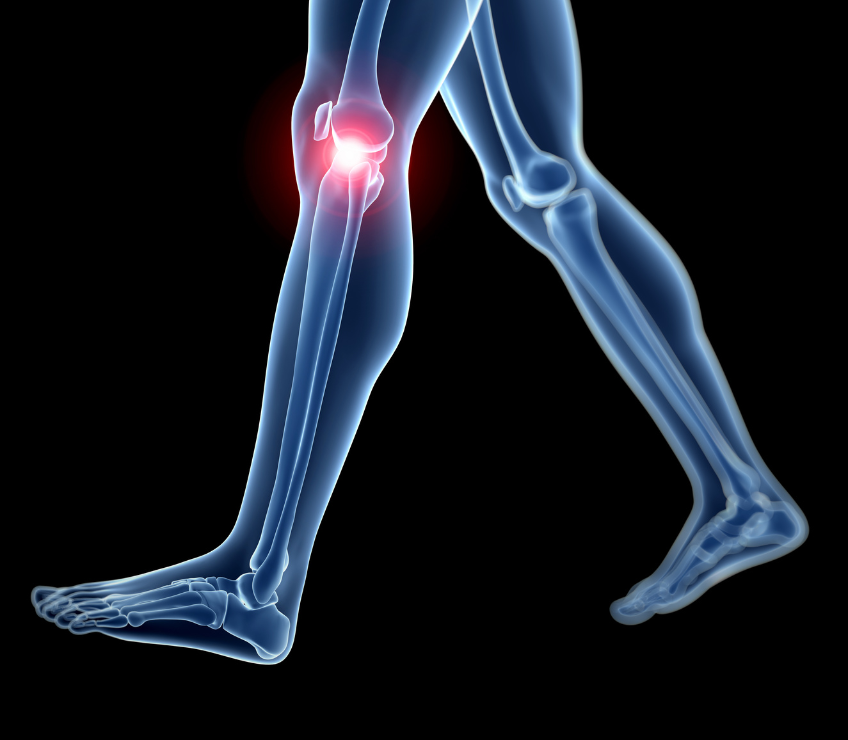 Take the human knee. It is far more than a simple hinge. Burgess explained how the cruciate ligaments work within a remarkable four-bar mechanism that guides the joint as it moves. Engineers understand that coordinated mechanisms require multiple parts to be present, correctly positioned, and working together. That creates a serious problem for step-by-step evolution. An incomplete mechanism does not survive because natural selection somehow knows what it may become millions of years later.
Even the lubrication inside our joints is astonishing. Burgess cited a comparison in which the natural system performs around 5,000 times better than engineered lubrication, while carrying tremendous loads with remarkably low friction. Human engineers still struggle to reproduce what your joints do naturally every day.
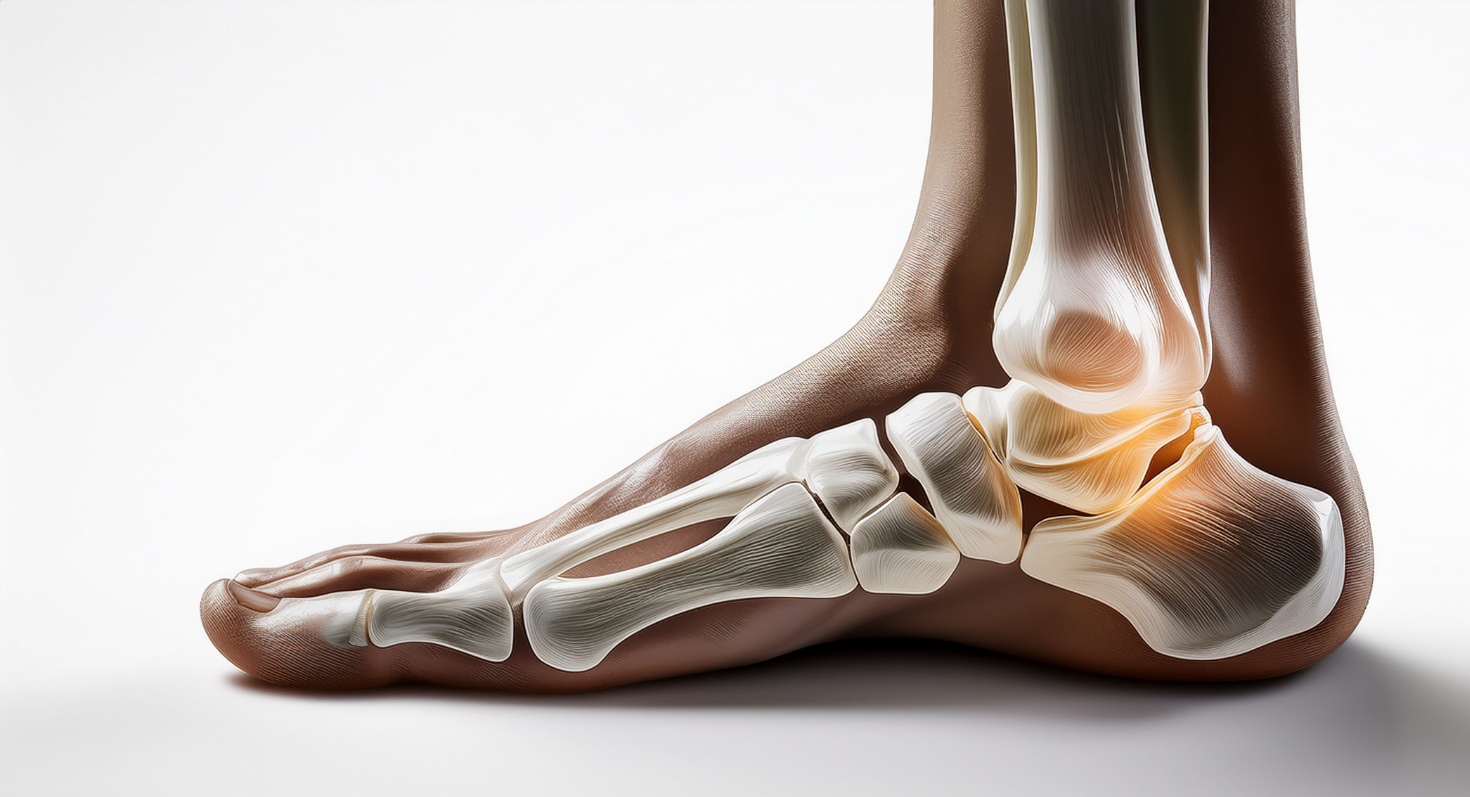 Then there is the human foot. With 33 joints and an extraordinary triple-arch structure, it allows us to balance, absorb force, run, jump, pivot, and instantly change direction. Watch a soccer player move, then compare that with our advanced humanoid robots. Despite enormous investment, robots still struggle to reproduce what the human foot does naturally. And the chimpanzee foot is built very differently for grasping. Simply saying one evolved into the other does not explain the enormous coordinated transformation required.
One of the most important points in the conversation was top-down architecture. Engineers know that highly integrated systems must be planned with the whole system in view. The human body displays exactly that kind of coordination. Muscles, sensors, nerves, bones, joints, blood vessels, organs, and the brain all depend on one another.
This means it all had to work together from the start!
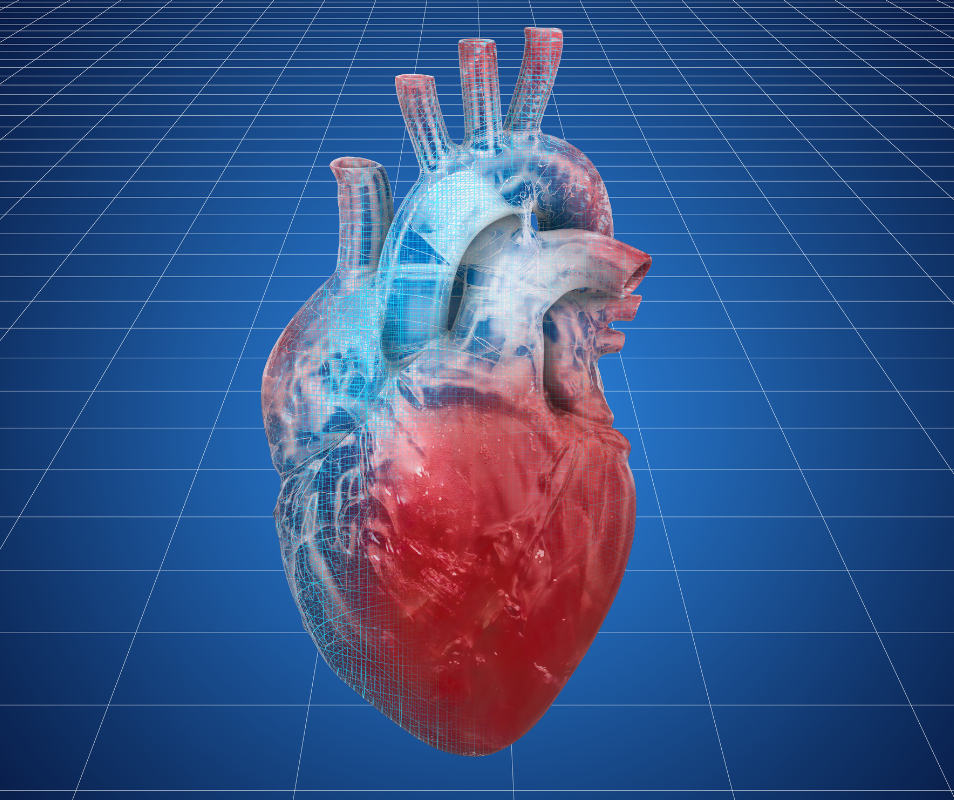 The heart makes the case even stronger. It is not merely a pump. Blood, vessels, lungs, valves, electrical controls, and pressure regulation form an integrated system. Engineers have spent millions trying to reproduce the heart artificially, yet still struggle to match its geometry, muscle performance, durability, and function. Our difficulty copying it only highlights the engineering of the original.
The conversation also addressed a common evolutionary objection: if the body was designed, why is there disease? But disease and design are not the same thing. A damaged machine does not prove there was no engineer. The Bible teaches that God’s original creation was “very good,” while the world we now inhabit is fallen and subject to corruption, genetic damage, disease, aging, and death.
 Even the human voice reveals extraordinary engineering. A pair of vocal folds works with airflow, muscles, resonance, hearing, and neurological control to let us whisper, speak, laugh, shout, and sing. Burgess discussed how this system surpasses instruments deliberately designed by human intelligence.
This conversation should cause serious doubt for anyone who believes the human body is merely the accidental product of evolution. The knee, foot, heart, voice, and countless systems working together do not look like blind trial and error. They reveal coordination, purpose, and engineering that our best technology still struggles to imitate.
We strongly encourage you to watch this incredible conversation and share it. Send it to someone who believes they are an accident or someone who doubts there is a Creator God or has never seriously questioned the evolutionary story.
Watch Creation Today Show: