Saving The Planet From Those Trying To Save The Planet
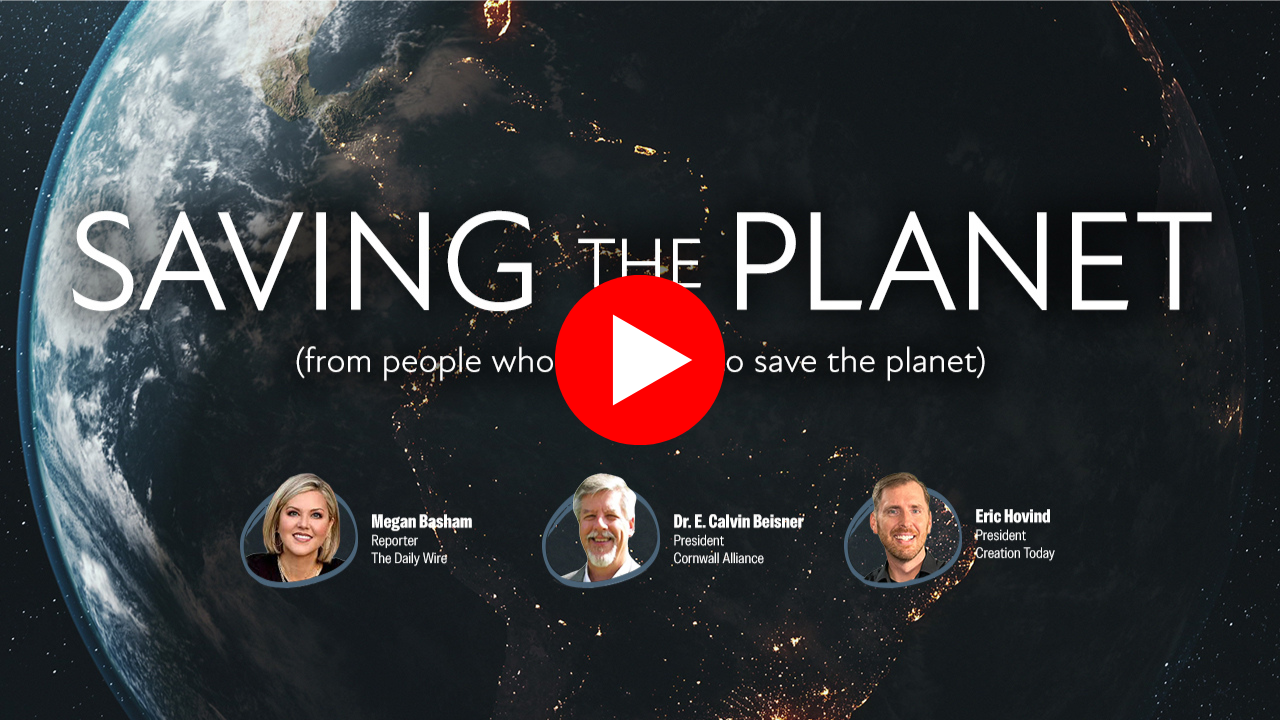
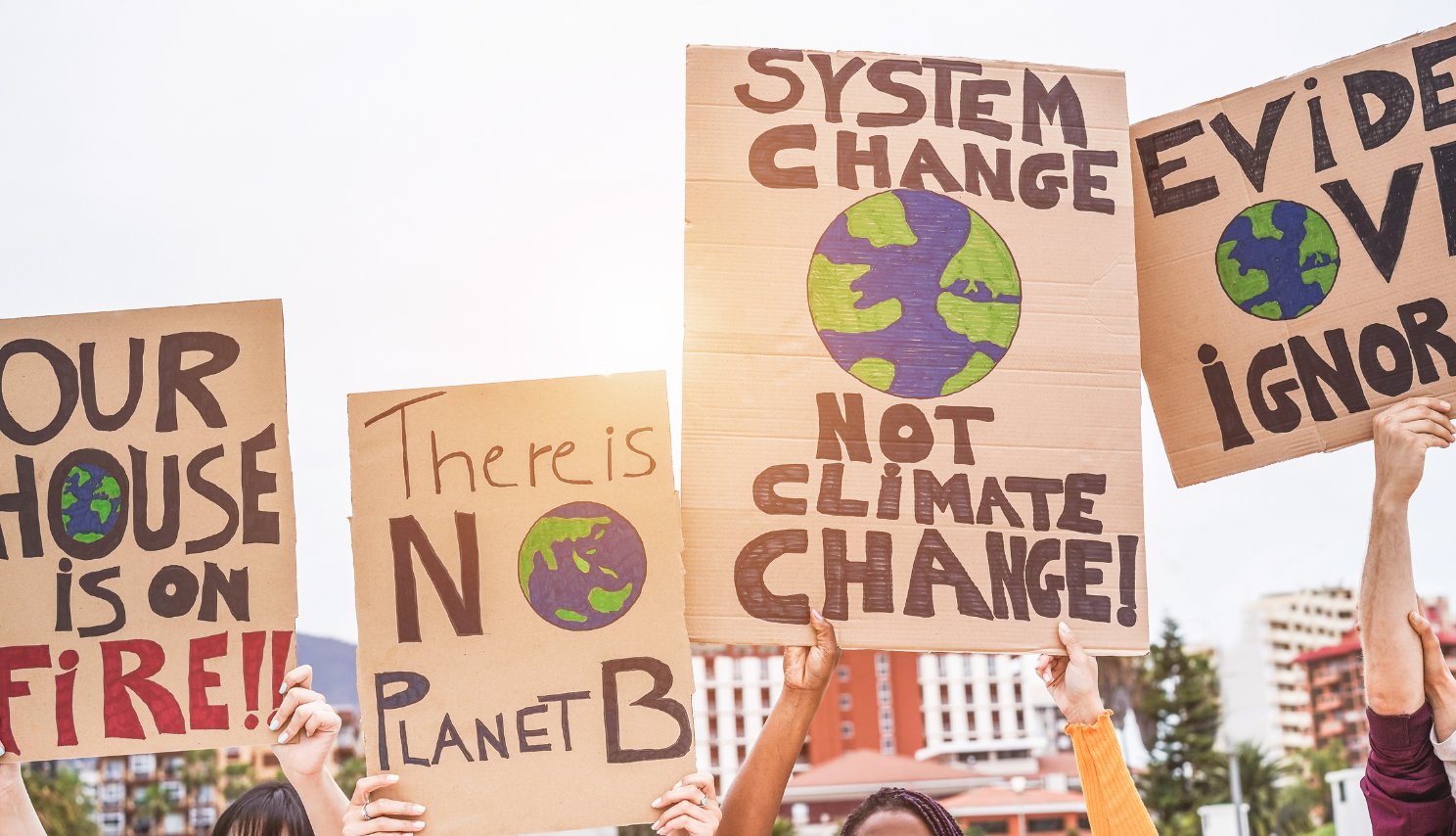 Recently on The Creation Today Show, Eric Hovind attended the inaugural Heaven and Earth Conference hosted by the Cornwall Alliance in Memphis, Tennessee. What he found was not a gathering driven by fear and climate alarmism, but a room filled with scientists, theologians, economists, journalists, pastors, and educators asking a simple question: What happens when we examine climate and environmental topics through the lens of Scripture and evidence rather than headlines?
The result was one of the most fascinating conferences we have attended in years. Speaker after speaker challenged assumptions, presented data rarely discussed in mainstream conversations, and demonstrated why Christians do not have to choose between caring for creation and standing firmly on biblical truth.
Eric sat down with many of the presenters at the conference.
First up was Dr. Calvin Beisner. Dr. Beisner challenged many assumptions surrounding modern climate narratives. He pointed to observational data that he believes does not support many of the alarming claims commonly repeated in the media. He also reminded the audience that carbon dioxide is essential for plant life and highlighted satellite data showing significant increases in global vegetation. Beisner warned that many policies promoted in the name of saving the planet often end up hurting the poor, developing nations, and even natural ecosystems.
Investigative journalist Megan Basham explained how climate change became one of the earliest issues used to influence evangelical institutions. Drawing from her bestselling book Shepherds for Sale, she described how media campaigns, influential leaders, and major funding sources can create the appearance of widespread consensus, a practice known as astroturfing.
 Patricia Engler connected climate activism to broader ideological movements. She argued that many climate initiatives are being used to advance ideas rooted in collectivism and centralized control. Contrasting this with the biblical gospel, she reminded attendees that lasting solutions are not found in political revolution but in the truth of God’s Word.
Dr. Michael Spradlin emphasized why Genesis remains foundational. Creation, sin, salvation, judgment, and redemption all begin in Genesis 1 through 11. If Christians are going to engage cultural issues faithfully, they must first stand firmly on the authority of Scripture.
Rev. Chris Neiswonger delivered one of the most memorable messages of the conference. Drawing from C.S. Lewis, he argued that Christianity offers the only worldview capable of fully explaining meaning, morality, purpose, and human dignity. Humanity longs for fulfillment because it was created for God, and there is ultimately no other stream from which to drink.
 Last but not least, Dr. Gordon Wilson challenged Christians to reject both environmental alarmism and careless neglect of creation. The issue is not “the environment.” The issue is God’s creation. Biblical dominion means exercising wise stewardship over what God has made while refusing to surrender to fear-based narratives.
Throughout the conference, one theme surfaced repeatedly. Christians do not have to choose between caring for creation and standing on biblical truth. The speakers argued that both belong together. God’s world and God’s Word are not in conflict.
What made this conference unique was not simply the information being presented. It was the foundation beneath it all. Again and again, the speakers returned to the same truth: Scripture is trustworthy, creation belongs to God, and Christians can approach even the most controversial issues with confidence rather than fear.
This was more than a climate conference.
It was a reminder that every issue ultimately comes back to worldview.
And every worldview ultimately begins with Genesis.
We strongly encourage you to watch this special episode. Whether you are concerned about climate change, confused by competing claims, or simply want to hear respected Christian scholars address these issues from a biblical perspective, the conversations from this conference are too important to ignore.
Watch Creation Today Show: