The Best Evidence of Man Co-Existing with Dinosaurs
If dinosaurs really lived millions of years before humans on the “evolution timeline”, then we should expect something very specific. There would be no reliable human accounts of them. No consistent descriptions across cultures. No historical records. Just bones in the ground and imagination filling in the gaps.
But that’s not what we find.
 Instead, we find something very different. Cultures all over the world recorded creatures we would today call dinosaurs. Back then they were known as dragons since the word dinosaur was not invented until 1841. They drew them. They wrote about them. They feared them. They fought them. They remembered them. Not as fossils, but as living creatures.
If dinosaurs lived with man, this is exactly what we would expect to see.
And that is exactly what we find.
Here are the 10 best pieces of evidence among many, which prove without a doubt they did, and that the bible is correct.
1. THE BIBLE DESCRIBES DINOSAURS
The most important evidence is the Bible itself. In Job 40, we read about Behemoth, a massive creature called the “chief of the ways of God.” It has a tail that moves like a cedar tree, not a small animal, but something enormous and powerful. In Job 41, Leviathan is described as a terrifying, untamable creature with incredible strength. These are not myths or symbols. They are described as real animals that existed alongside man. Before the word “dinosaur” was invented in the 1800s, people had a different word for these creatures. They called them dragons.
 2. DRAGONS IN EVERY CULTURE
Nearly every major civilization in history has records of dragons. Europe, China, the Middle East, and the Americas all describe similar creatures with remarkable consistency. These accounts were not connected cultures sharing stories. They were separated by distance and time. Yet they describe the same types of creatures. That is not how imagination works. That is how memory works.
3. HISTORIA ANIMALIUM (1500s)
In the 1500s, a well-known scientific work called Historia Animalium stated that dragons were not extinct, only rare. This was not mythology. This was considered natural history at the time. The author treated dragons as real animals, not legends. That means even into relatively recent history, people believed these creatures still existed. That is not what you would expect if they had been gone for millions of years.
4. THE CITY OF NERLUC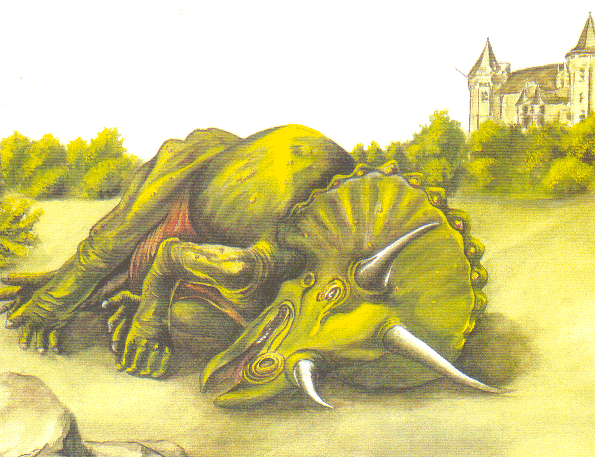
The city of Nerluc in France was reportedly renamed after the killing of a dragon. The creature was described as larger than an ox, with horns and a massive body. The description sounds strikingly similar to a horned dinosaur like Triceratops. This was not a vague story. It was tied to a specific place and event. People believed it happened because they saw these creatures as real.
5. GILGAMESH AND THE DRAGON
A Sumerian account from around 2000 B.C. tells of Gilgamesh encountering a massive dragon while traveling through a forest. He kills it and removes its head as a trophy. This is one of the oldest written records in human history. It shows that early civilizations were already familiar with these creatures. They didn’t describe fossils. They described encounters.
6. ANCIENT ROMAN MOSAICS
A Roman mosaic from the 2nd century A.D. clearly depicts long-necked dragon-like creatures. These are not random shapes or symbols. They resemble what we would call sauropod dinosaurs today. Ancient artists were not reconstructing fossils with modern science. They were drawing what they knew. That strongly suggests these creatures were known and recognized.
 7. MARCO POLO’S ACCOUNT
When Marco Polo traveled through China, he described dragons being used to pull carts. This was not written as fantasy, but as observation. China has a long history of dragon records, often describing them as real animals. These accounts include details about behavior and use, not just appearance. That moves the discussion out of mythology and into history.
8. ST. GEORGE AND THE DRAGON
The account of St. George killing a dragon was recorded as a public event witnessed by many. This was not written as fiction, but as something that actually happened. The story includes location, people, and consequences. Whether someone accepts the account or not, it reflects a time when people believed dragons were real, dangerous creatures. That belief had to come from somewhere.
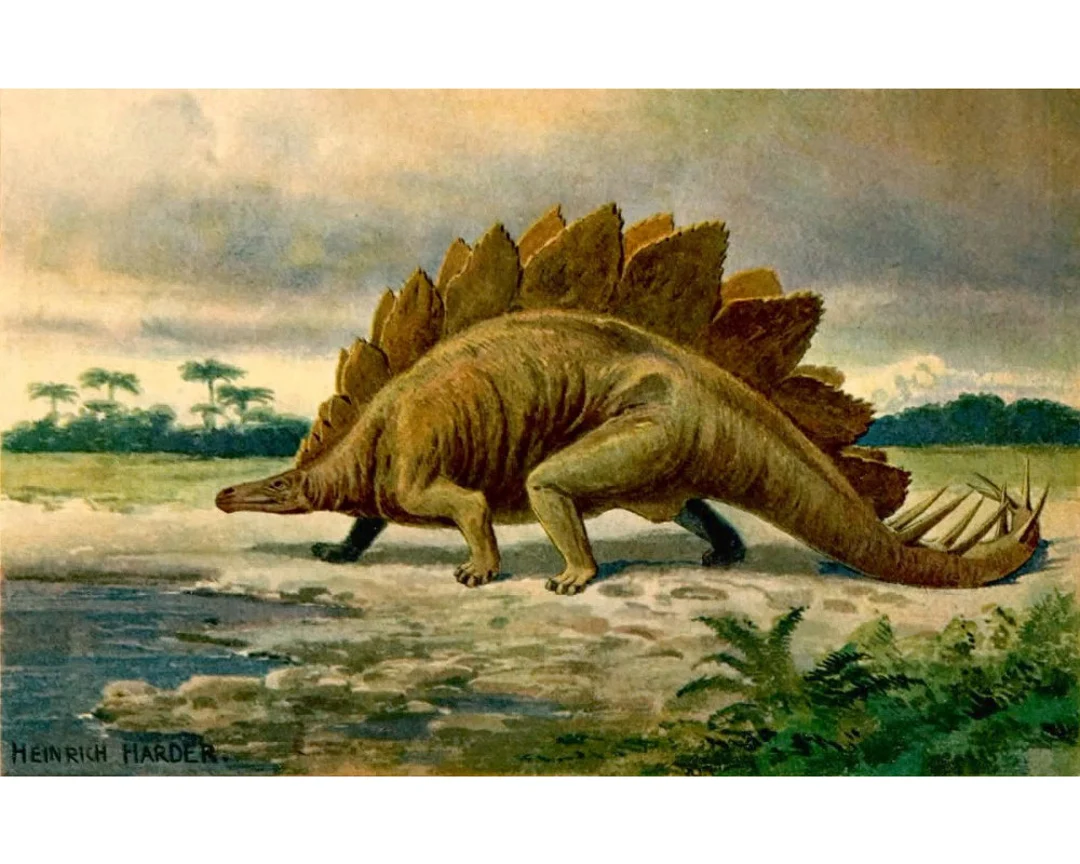
9. THE IRISH “STEGOSAUR”
An Irish record from around 900 A.D. describes a creature with a tail covered in spike-like structures and a body resembling a large reptile. The description closely matches what we now call a stegosaur. The details are too specific to be random. It includes physical features that align with known dinosaur anatomy. That suggests direct observation, not imagination.
10. DRAGONS AND ELEPHANTS
Throughout the Middle Ages, there were accounts of dragons attacking elephants. These were described as real encounters, not symbolic stories. The idea that such large creatures interacted suggests both were alive at the same time. People recorded behavior, not just appearance. That is consistent with eyewitness testimony, not mythology.
CONCLUSION
When you step back and look at the full picture, the pattern is clear. The Bible describes them. Cultures remember them. History records them. Artwork depicts them. These are not isolated stories. They form a consistent global memory.
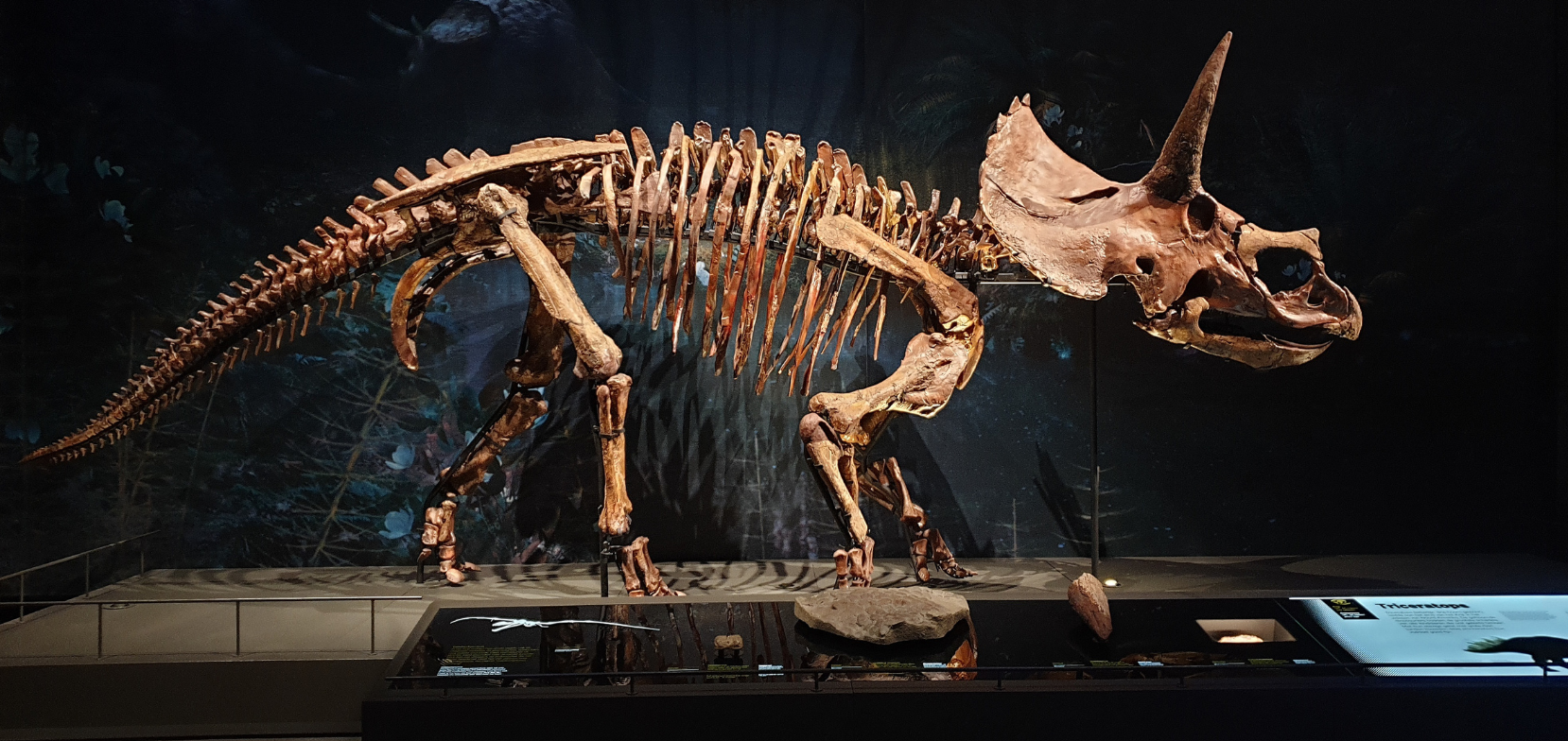 The word “dinosaur” is new. The creatures are not.
What people once called dragons, we now call dinosaurs.
And if dinosaurs lived with man, then the timeline of millions of years begins to fall apart. It means the Bible’s account of creation is not myth, but history. A real record of a real world, created by God, judged by the Flood, and remembered by those who lived through its aftermath.
And that brings us to the most important truth. The same Bible that records these events also tells us why the world is broken and how it can be restored. Through Jesus Christ. Put your faith in Him today.